Behind What you See

Varadero Beach, Varadero, Matanzas Province, Cuba

Cuba is a very popular tourist destination; it’s perfect winter weather and hundreds of white sandy beaches are a perfect makes it such. Some of the country’s highlights include its karst landscapes and Spanish colonial towns. It’s music, vintage American cars, and art deco architecture lace it in another time.

Many times when tourists visit places on vacation, they forget that the places they visit are home to actual peoples; that the cultures they participate in are lifestyles for those around them. The country is desperately poor, and their connection to the rest of the world has only recently become a thing; however, this isn’t something people pay attention to on their vacations.

Almost 80% of the Cuban workforce is an employee of the state, all with an official wage of about 500 Cuban pesos ($20 USD) a month. Although the govt. provides housing, healthcare, food and staple rations, and education, the standard of living is still pretty low and basic products like clothes, electronics, and consumer goods are incredibly pricey.

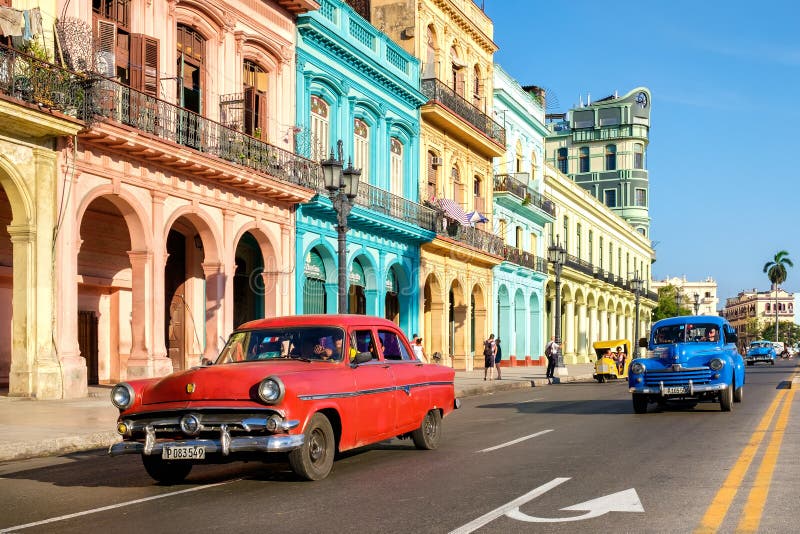
The vintage America cars one sees are not “cool”, they are old cars with terrible fuel economy and safety; however, it is all the Cuban people can afford, as a modern car goes for more than most will ever make in a lifetime.

The all organic food grown is only GMO, pesticide, and fertilizer free because Cuban farmers can’t even afford a tractor, let alone any other agricultural necessities. It looses over 57% of its yearly harvest due to inefficiency.

The old world feel given by worn paint and crumbling architecture isn’t “so pretty”, it’s a reflection of the lack of affordability of proper maintenance. A jug of paint hasn’t been affordable for 3 decades, and the city sees four buildings collapse every day.

It is essential that those who travel recognize that there is meaning beyond the things that one sees. One must be empathetic, recognize that people live different lifestyles, and that not everyone has access to what consider to be basic human rights.

No Escaping the Music (3)

Listen as you read:

In Cuba, music and dance serve as the heart and soul of the island. No matter where you step foot, you will always hear the mixed sounds of Spanish melodies and lyrics, and African beats. Bands join together in the streets, beside the water, and in restaurants; all to keep the palpable rhythm alive across the country.

In other parts of the world, such as the US, busking is a common form of street music; it isn’t too uncommon to see buskers in the downtown or the central district of a city, ready to grab a few coins in exchange for their music. People stand to listen, but rarely do people dance. Typically, if you’re at a restaurant, live music is saved for the weekends, or special events, and because of the incredibly diverse population, chances are you won’t hear the same kinds of music in a single night. Live music isn’t everywhere you go.  In Cuba, the music culture is a bit different.

Most of the popular Cuban music incorporates a lot of African rhythms and beats, and most is accompanied by dance. From romantic and soft, to passionate, gloomy, or energetic, salsa’s sundry rhythms can be adapted to many different moods. Between the sounds of the music are also subliminal messages, common in traditional Caribbean and Hispanic/LatinX music. Unlike in many communities around the world, in Cuba, live music and dancing can be found at any time and at any place you go, with no night specially reserved for a “live” show.

When traveling to Cuba, you will notice that music on the streets is important beyond fame and money; it really is about the sounds and the joy it brings to people. Although the constant music may surprise some, it is best to just enjoy it! Wherever you go in Cuba, you will have the opportunity to let loose without fear of people watching you, simply because it’s what you’re supposed to do. So have some fun, and most importantly:

Live, laugh, and dance!


Stereotypes and Old Cars

Associated with Cuba are its “classic cars”. The streets are busy with Oldsmobiles and Chevrolets, Buicks and Fords, and even Chrysler’s old Plymouth brand. These old-school American brand vehicles date back to the 1950’s making Cuba a car lover’s dream. That being said, many people don’t recognize why it is that Cuba has so many classic cars on its streets.Image result for old cars cuba

In 1959 (the end of the Cuban revolution) Fidel Castro came in to power. He promptly banned imports on foreign cars and car parts.  Prior to this, most new vehicles imported to Cuba were from the United States. This created a deep-freeze in Cuba’s car scene. Cars free from US technology were allowed to be imported, however they were hard to come by, and a permit was required in order to buy a car. Furthermore, with Cuba’s state salaries averaging about $20 a month, imported cars were priced too high for anyone to afford. In 2014, although a permit was no longer required to purchase a car, and car import restrictions were loosened, the new system failed when car prices were marked up to astronomical prices. A Peugeot family sedan is listed at about $262,000; for most Cubans, a new car wouldn’t be attainable within 100 lifetimes of saving.Image result for old cars cuba buildings

Although the reasons for Cuba’s vintage car scene are political and rather bleak, it doesn’t take away from the pride that many Cuban’s feel as car owners. Successfully maintaining an American car for over 5 decades is no easy feat, and is an important piece to the countries’ vibrant scene. The deep rumble of the vintage cars, the rhythmic tunes of Son Cubano, the vivid colors of the old cars and architecture; all continue to live on through the streets of Cuba making it a place like no other.

El Malecón (2)

La Habana Vieja, which translates to the “old Havana” makes it very easy to imagine what the city-center looked like 200 years ago. Within the site, you can find some of Cuba’s major attractions including Plaza de la Catedral (Cuban Baroque cathedral), Bodeguita del Medio restaurant and Hemingway hangout), and Castillo de la Real Fuerza (military fortress).

Although many amazing internal attractions, the old town is home to one of the best spots in all of Cuba; The Malecón.

Habana Vieja de noche.jpg

El Malecón is an avenue that runs along the northern shore seawall of Havana and comes alive in the night time as couples, friends, and people of all ages gather to watch the sea and enjoy the breeze. Mixed with the sound of the crashing waves is the sweet sound of music drifting in the air, as bands play their music while sharing a good time with their friends.

Image result for el malecon music havana

Along the Malecón, there are plenty of restaurants and bars to satisfy your Cuban sandwich and Cuban cocktail craving. The avenue stretches five miles, and is perfect for running, fishing, or taking a stroll.  On the avenue are also many hotels with stunning views of the city and ocean, a site you won’t want to miss, especially at sunset.

Image result for el malecon sunset

During the day time, the colors of the buildings along the city offer a wonderful photo opportunity for tourists, and provide a bright environment that matches the energy felt in the streets. It fosters a happy environment, so there is never a dull moment on the Malecón. No matter the time of day, you will always see people taking advantage of what it has to offer.

Most importantly, the uniqueness of the Malecón– with its delicious mix of food, dance, music, entertainment, and more– provides a welcoming environment for anyone, Cuban or not, to enjoy.