

Music in Cuba is symbolic and representative of the adaptability, resiliency, and autonomy of the Cuban people during a time of crisis and uncertainty. Son Cubano, a genre of music and dance, was created during the late 19th century in the highlands of eastern Cuba. The genre itself is a blend of African and Spanish elements, as can be seen with the mix of Spanish guitar and Bantu percussion instruments used in bands.
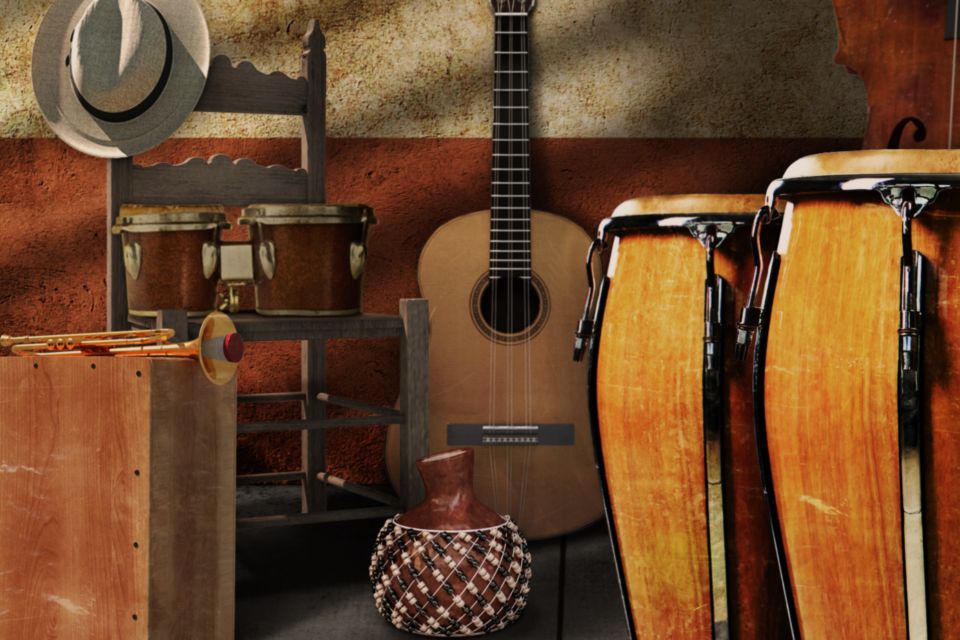
In 1917, the son expanded across the island of Cuba, becoming its most popular and influential genre. Over time, the musical groups expanded from three to five members, and by the mid 1930’s reached seven members as the trumpet had now been incorporated into the music style.

It was the emergence of the son that lead to significantly increasing interactions between African derived and Hispanic derived cultures. Former black slaves in search of an improved living conditions brought with them to Havana their Afro-Cuban rumba traditions and instruments. Rural rumba mixed with Havana’s urban rumba , resulting in what eventually became known as the new genre of son.
Although not a tangible thing, music creates rhythms and sounds that can bring an entire community together. Although a country full of varied rhythms, the majority of the Cuban music is danced to, furthering the interconnectedness of people through music. Across time, Cuban music has allowed for the mixing of cultures and races, giving the country an identity and personality that is felt overwhelmingly across the streets of Cuba.
 Where to Next?